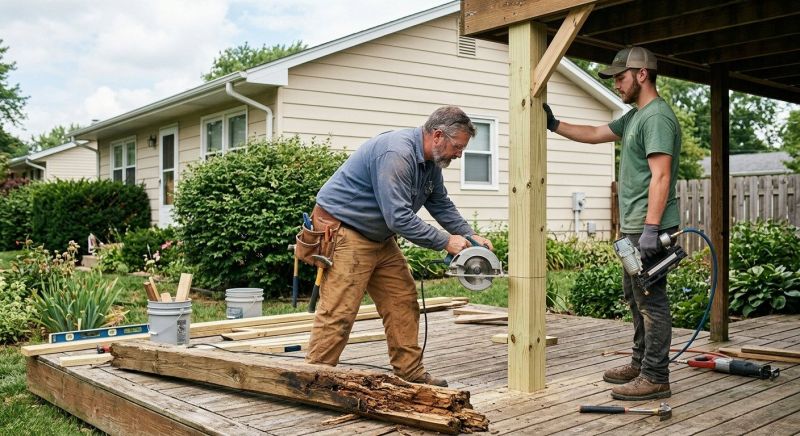
Rotten Column Replacement in Seattle, WA
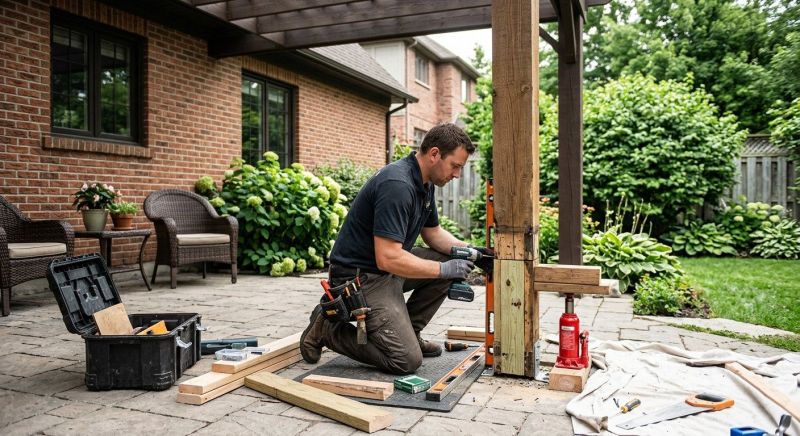
Rotten column replacement services address the issue of deteriorated or damaged support columns that are essential for the stability of a building’s structure. This type of project typically involves removing compromised columns and installing new, durable supports to ensure safety and structural integrity. Property owners often request this service when they notice signs of deterioration such as cracking, rotting, or shifting in their support columns, especially in basements, crawl spaces, or foundational areas.
Before requesting rotten column replacement, property owners should consider the extent of the damage and whether the columns are load-bearing. It’s important to understand the scope of work needed, including potential foundation assessments or additional repairs that may be necessary to prevent future issues. Proper evaluation can help determine the best approach for replacing compromised supports and maintaining the long-term stability of the property.
Many property owners in Seattle, WA look into Rotten Column Replacement for repairs, replacements, upgrades, and appearance-related improvements.
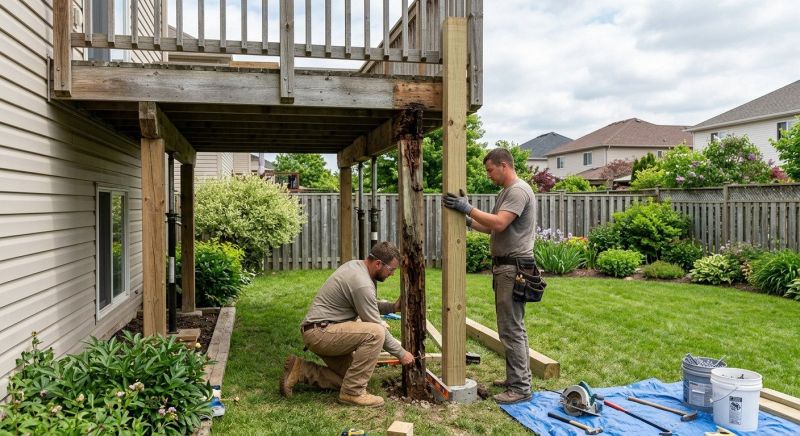
Signs Of Rotten Columns
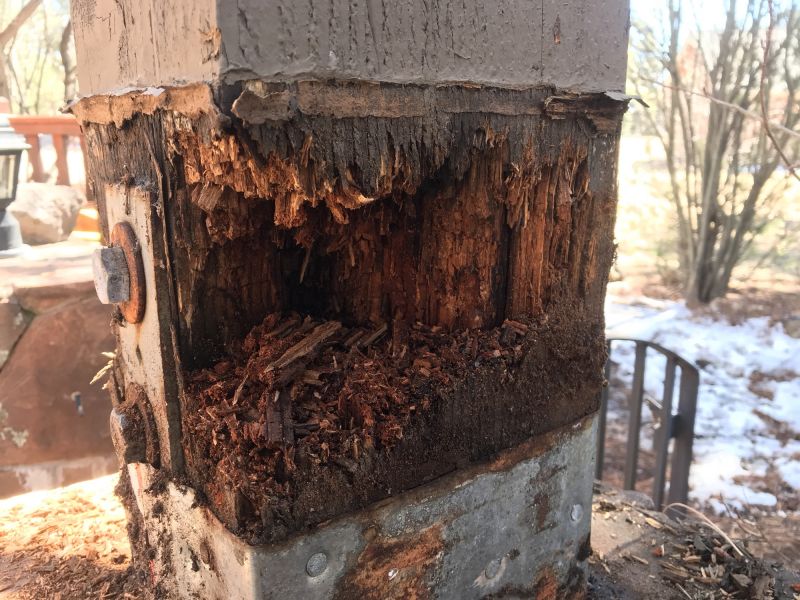
Visible decay or deterioration can indicate the need for replacement to ensure structural safety.
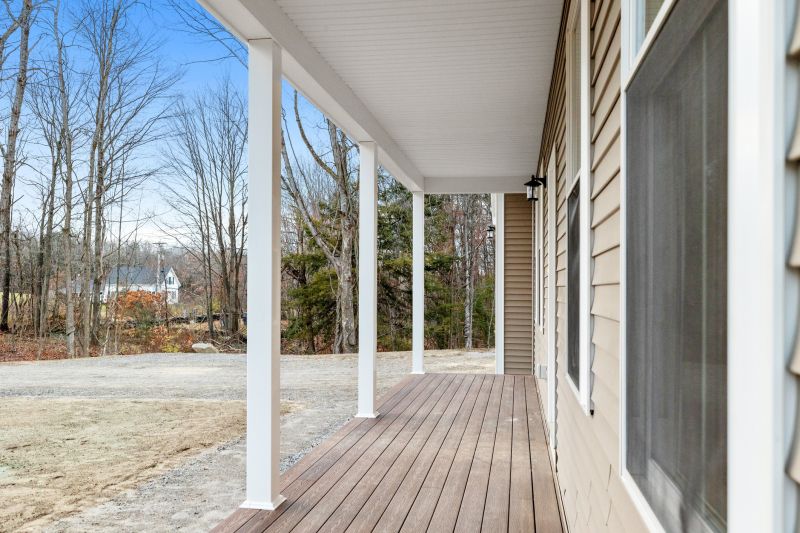
Benefits Of Replacement
Replacing damaged columns helps maintain the stability and safety of your property’s foundation and support structures.
Common Replacement Materials
Wood, steel, and composite materials are often used to restore strength and durability to compromised columns in seattle homes.
Rotten Column Replacement in Seattle, WA

Rotten column replacement services address the issue of deteriorated or damaged support columns that are essential for the stability of a building’s structure. This type of project typically involves removing compromised columns and installing new, durable supports to ensure safety and structural integrity. Property owners often request this service when they notice signs of deterioration such as cracking, rotting, or shifting in their support columns, especially in basements, crawl spaces, or foundational areas.
Before requesting rotten column replacement, property owners should consider the extent of the damage and whether the columns are load-bearing. It’s important to understand the scope of work needed, including potential foundation assessments or additional repairs that may be necessary to prevent future issues. Proper evaluation can help determine the best approach for replacing compromised supports and maintaining the long-term stability of the property.
Many property owners in Seattle, WA look into Rotten Column Replacement for repairs, replacements, upgrades, and appearance-related improvements.
Common Rotten Column Replacement Jobs
Rotten Column Replacement Services - replacing damaged or deteriorated support columns to ensure structural stability.
Wood Column Replacement - removing rotted wooden columns and installing new, durable options.
Concrete Column Replacement - upgrading compromised concrete supports to maintain safety and load capacity.
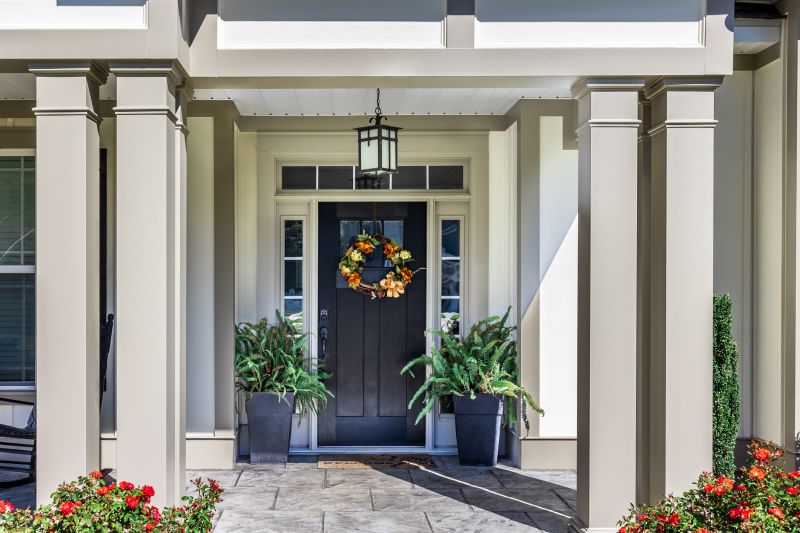
Exterior Column Replacement - restoring or replacing columns that impact the home's curb appeal and exterior integrity.
Interior Column Replacement - replacing interior supports that have become compromised over time.
Historic Column Replacement - restoring or replacing columns in historic or vintage properties to preserve character.
Rotten Column Replacement Questions
What causes a rotten column? Moisture exposure, wood decay, and insect damage can lead to column rot over time.
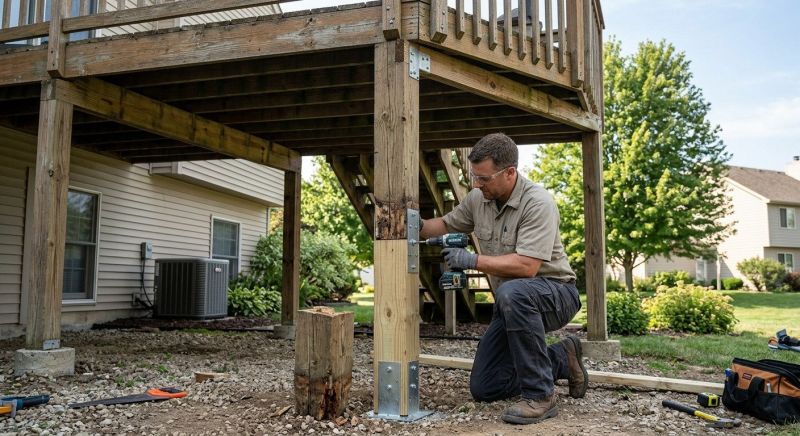
How is a rotten column replaced? The process typically involves removing the damaged column and installing a new, structurally sound replacement.
Can a rotten column affect property safety? Yes, compromised columns can impact structural stability and should be addressed promptly.
What signs indicate a column may be rotten? Visible mold, wood rot, sagging, or crumbling material are common indicators of deterioration.
Request Rotten Column Replacement in Seattle, WA
Use the quote form on this page to share the basics of your project and request more information for the type of work you need.