
Favorite Basement Window Replacement Products for Enhanced Security
Choose from trusted options that combine security features with stylish designs for your basement windows.
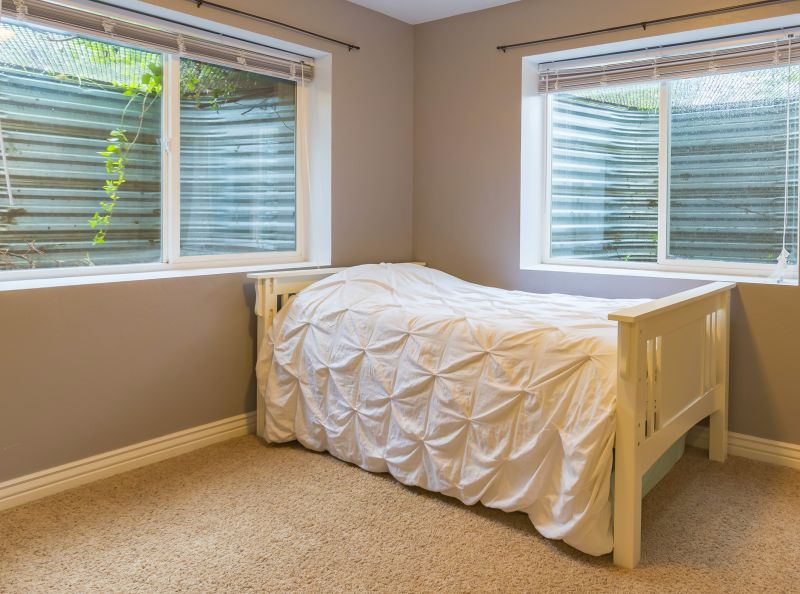 Basement window replacements are an essential consideration for homeowners seeking to improve natural light, ventilation, and safety in their lower level spaces. Selecting the right window type can enhance the functionality and aesthetic appeal of basements while also addressing concerns such as moisture resistance and security. The variety of available options ranges from traditional window styles to specialized designs tailored for below-grade installation. Proper selection depends on factors like window size, material durability, insulation properties, and ease of installation. It is important to evaluate these aspects carefully to ensure the new windows meet your specific needs and contribute to a comfortable, safe basement environment.
Top Overall Option
Vinyl Basement Window
A vinyl basement window offers a durable, low-maintenance solution suitable for below-grade installation. Its resistance to moisture and pests makes it a popular choice for basement environments. These windows typically feature multi-pane glass for enhanced insulation and energy efficiency, and their frames are designed to withstand temperature fluctuations without warping. Easy to install and maintain, vinyl basement windows can improve natural light and ventilation while providing a secure, long-lasting option for homeowners seeking reliable performance.
Types of Products For Basement Window Replacements
Sliding Windows
Sliding basement windows operate horizontally and are easy to open and close, making them convenient for ventilation and access.
Awning Windows
Awning windows hinge at the top and open outward, providing ventilation even during light rain while offering good security.
Egress Windows
Egress windows are designed to meet safety codes for emergency escape, often larger and with easy-open mechanisms.
Fixed Windows
Fixed windows do not open but allow maximum light and unobstructed views, suitable for areas where ventilation is less critical.
Casement Windows
Casement windows hinge at the side and open outward, providing good ventilation and a tight seal.
Basement Hopper Windows
Hopper windows swing inward from the bottom, ideal for below-grade spaces with limited clearance.
Glass Block Windows
Glass block windows offer privacy and light diffusion, often used for added security and aesthetic appeal.
Bifold Windows
Bifold windows fold open in sections, creating a wide opening that enhances indoor-outdoor flow.
Pivot Windows
Pivot windows rotate around a central axis, offering a unique opening mechanism suitable for specialized spaces.
Storm Windows
Storm windows can be added over existing windows to improve insulation and protection against the elements.
Popular Choices
Vinyl basement windows are frequently chosen for their durability, low maintenance, and resistance to moisture.
Egress windows are popular for meeting safety requirements and providing emergency escape options.
Sliding windows are favored for their ease of operation and space-saving design.
Awning windows are often selected for their weather-resistant features and ventilation capabilities.
Glass block windows are sought after for privacy and decorative appeal in basement settings.
Bifold windows are trending for their ability to create large, open views and indoor-outdoor connectivity.
Fixed windows remain popular for allowing natural light without the need for opening mechanisms.
Casement windows are often preferred for their airtight sealing and ventilation control.
Hopper windows are common in below-grade applications for their space-efficient design.
Storm windows are frequently added to enhance insulation and protect existing basement windows.
When considering basement window replacements, one must also think about the installation process. Some window types require professional help, especially those that involve cutting into concrete or masonry, while others are designed for easier DIY installation. Materials such as vinyl, aluminum, and fiberglass each offer different benefits in terms of maintenance, durability, and insulation. Additionally, features like egress options can be crucial for basement windows that serve as emergency exits, providing both safety and compliance with building codes.
Maintenance and long-term performance are other vital considerations. Windows exposed to moisture and temperature fluctuations need to be resistant to rust, warping, and mold growth. Proper sealing and insulation around the window frame can prevent leaks and energy loss. By selecting high-quality products suited for below-grade environments, homeowners can ensure their basement windows remain functional and attractive over time. Overall, choosing the right basement window replacement involves balancing aesthetic preferences, safety requirements, and practical performance features to create a more livable and secure space.
Ultimately, investing in suitable basement windows can improve the overall value and usability of your home. Whether you prioritize light, ventilation, security, or insulation, understanding the options available will help you make informed decisions. Consulting with professionals or thoroughly researching product specifications can further aid in selecting the most appropriate solution for your basement environment.
Key Buying Considerations
- Determine whether the window needs to meet egress safety requirements for emergency escape.
- Choose materials that resist moisture, mold, and pests for long-term durability.
- Assess the insulation properties to improve energy efficiency and reduce heat loss.
- Consider the type of opening mechanism that best suits your ventilation needs and space constraints.
- Ensure compatibility with existing window openings or be prepared for necessary modifications.
- Evaluate the ease of installation, whether DIY or professional, based on your skill level.
- Check for features like double or triple glazing for enhanced thermal performance.
- Look for frames with quality sealing to prevent leaks and drafts.
- Consider security features such as locks and reinforced glass for added safety.
- Review maintenance requirements and choose low-maintenance materials when possible.
- Verify compliance with local building codes and safety standards.
- Think about aesthetic preferences to match the basement’s interior and exterior design.
- Assess the cost versus features to find a balance that fits your budget.
- Explore additional accessories like window wells or covers for protection and functionality.
- Research product warranties and customer reviews for insights into performance and reliability.
This content may contain affiliate links. We may earn a commission if you purchase through these links, at no additional cost to you.